

































Residents of Greenfield are expressing growing concerns over the noise generated by lawn care equipment, particularly leaf blowers and gas-powered mowers. In a recent letter to the local newspaper, resident John David Boles highlighted the negative impact of these machines on the environment and community well-being.
Boles praised those who choose quieter alternatives, such as raking their lawns, noting that this method fosters a peaceful atmosphere in neighborhoods. He pointed out that lawn rakers often engage with passersby, contributing to a more pleasant community experience. In contrast, he described the sounds of gas-powered equipment as disruptive, comparing the noise level to that of “half a jet engine.”
Environmental Concerns Regarding Lawn Care Equipment
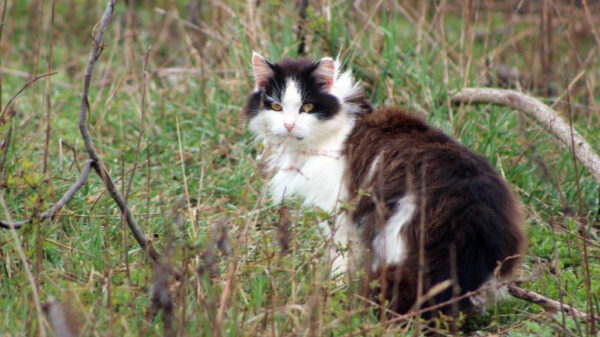
The use of loud machinery for lawn maintenance not only disturbs local residents but also has adverse effects on wildlife. Boles raised awareness of how the noise from leaf blowers and mowers drives away insects, birds, and other animals, preventing them from nesting in the area. He emphasized the importance of maintaining a healthy ecosystem, which relies on the natural decomposition of leaves and debris to enrich soil quality.
In his letter, Boles pointed out that the chemicals often used in lawn treatments can also be harmful. These substances can deplete the soil’s nutrients and eliminate beneficial insects. He urged the community to consider the long-term consequences of current lawn care practices on both the environment and public health.
Advocating for Change in Lawn Care Practices
Boles called on the Greenfield City Council and the mayor to explore alternatives to noisy gasoline-powered equipment. He suggested that the state could provide support for a transition to electric lawn care tools, which are typically quieter and more environmentally friendly. Many towns across the country are already implementing stricter noise regulations and adopting bylaws to mitigate disturbances caused by lawn maintenance.
The resident’s concerns resonate with a broader movement advocating for quieter, more sustainable lawn care practices. As communities become more aware of the impact of noise pollution on quality of life, local governments may need to take action to balance the needs of homeowners and the environment.
Boles concluded his letter by encouraging fellow residents to voice their opinions and work together toward solutions that respect both the community and local wildlife. By promoting quieter lawn care methods, Greenfield may become a model for other towns facing similar issues.