




































The GBP/USD currency pair has fallen to approximately 1.3330 during Asian trading hours on Thursday, reversing from nearly a two-month peak. This decline comes amid a resurgence in demand for the US Dollar, although expectations of a potential rate cut from the Federal Reserve next week may limit further losses for the British pound.
In the lead-up to this decline, the pair had reached a high of 1.3350. The renewed interest in the US Dollar is linked to recent softer economic data from the United States, including the Manufacturing PMI and ADP Employment Change, which have strengthened the case for a rate reduction by the Fed in December. Currently, traders are pricing in an 89% probability of a quarter-point cut in interest rates, according to the CME FedWatch tool. This could have significant implications for the US currency.
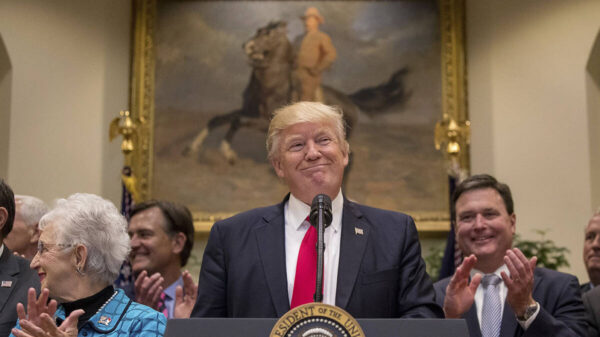
The US economic landscape is also influenced by anticipated changes within the Federal Reserve. On Tuesday, US President Donald Trump indicated that he plans to announce a successor to current Fed Chair Jerome Powell early next year. Reports suggest that Kevin Hassett, a close ally of Trump and current White House economic adviser, is the frontrunner for the position. His support for more aggressive rate cuts to stimulate the economy could further weaken the US Dollar.
This situation is compounded by developments in the UK. The upcoming Bank of England (BoE) monetary policy announcement on December 18, 2023, has reinforced market expectations for a rate cut. Analysts predict the BoE will lower rates to 3.75%, with a 90% chance of this outcome being priced in. UK Prime Minister Keir Starmer has highlighted the necessity of reducing both inflation and interest rates to encourage business investment and drive economic growth.
“We must prioritize bringing down inflation to support our economy,” Starmer stated in a recent speech.
The outlook for the pound is influenced heavily by economic indicators and policy decisions. A majority of analysts anticipate that a rate cut by the BoE could further impact the GBP/USD pair. Meanwhile, Catherine Mann, a BoE policymaker, expressed concerns this week regarding the US Dollar’s status as a global reserve currency, citing a potential decline in support from the US for its allies.
As traders await the release of the US weekly Initial Jobless Claims report later today, sentiment remains cautiously optimistic. A weaker US economic performance could bolster the pound against the dollar, providing some relief to GBP/USD traders.
In summary, the current dynamics of the GBP/USD pair reflect a complex interplay between US Dollar demand, expectations of Federal Reserve policy changes, and the Bank of England’s forthcoming decisions. With both central banks facing pressure to adjust interest rates, the coming weeks will be crucial for the future trajectory of the pound and its exchange rate against the dollar.