









































The Philippine economy experienced a significant slowdown at the end of 2025, raising concerns over the sustainability of growth predominantly driven by the services sector. According to the latest data from the Philippine Statistics Authority, the gross domestic product (GDP) expanded by just 3.0 percent in the fourth quarter, marking the weakest quarterly growth outside the pandemic period. This disappointing performance contributed to an annual growth rate of 4.4 percent for the year, falling short of the government’s targets for the third consecutive year.
Economists attribute this slowdown to various factors including a decline in household spending, reduced government expenditure, and weaker investment activity. However, industry leaders argue that these figures reflect deeper structural issues within the economy. The persistent dominance of the services sector, which includes retail, tourism, real estate, and business process outsourcing, has limited the growth of manufacturing and industrial production.
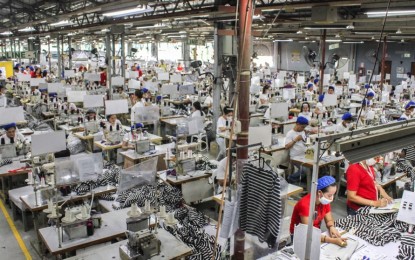
While the services sector continues to be the largest contributor to economic output, providing employment and stable income growth, experts note that it generates limited productivity gains and does little to enhance export capacity. The manufacturing sector, in particular, has struggled to gain momentum, with government figures indicating that industrial growth continues to lag behind services. This imbalance not only hinders the creation of higher-value jobs but also increases the country’s reliance on imported goods.
As neighboring Southeast Asian economies expand their industrial capacities, the Federation of Philippine Industries warns that the Philippines risks losing its competitive edge in attracting foreign investment and integrating into global supply chains. The federation has called on policymakers to prioritize industrial development as a central element of economic strategy. They argue that relying solely on the services sector cannot sustain long-term growth; instead, a robust manufacturing sector is essential for job creation, export growth, and overall economic resilience.
The Philippine government has enacted various policies aimed at bolstering local industries, notably the Tatak Pinoy Act. Despite these initiatives, business groups criticize the implementation as inconsistent, which undermines the intended benefits for the manufacturing sector.
Looking ahead, multilateral lenders such as the Asian Development Bank project moderate economic growth for 2026. However, they emphasize that the long-term health of the Philippine economy will depend on the implementation of structural reforms rather than temporary stimulus measures. As the nation grapples with these challenges, the call for a revitalized manufacturing sector becomes increasingly urgent, underscoring the need for a balanced economic approach that can support sustained growth and development.
















