









































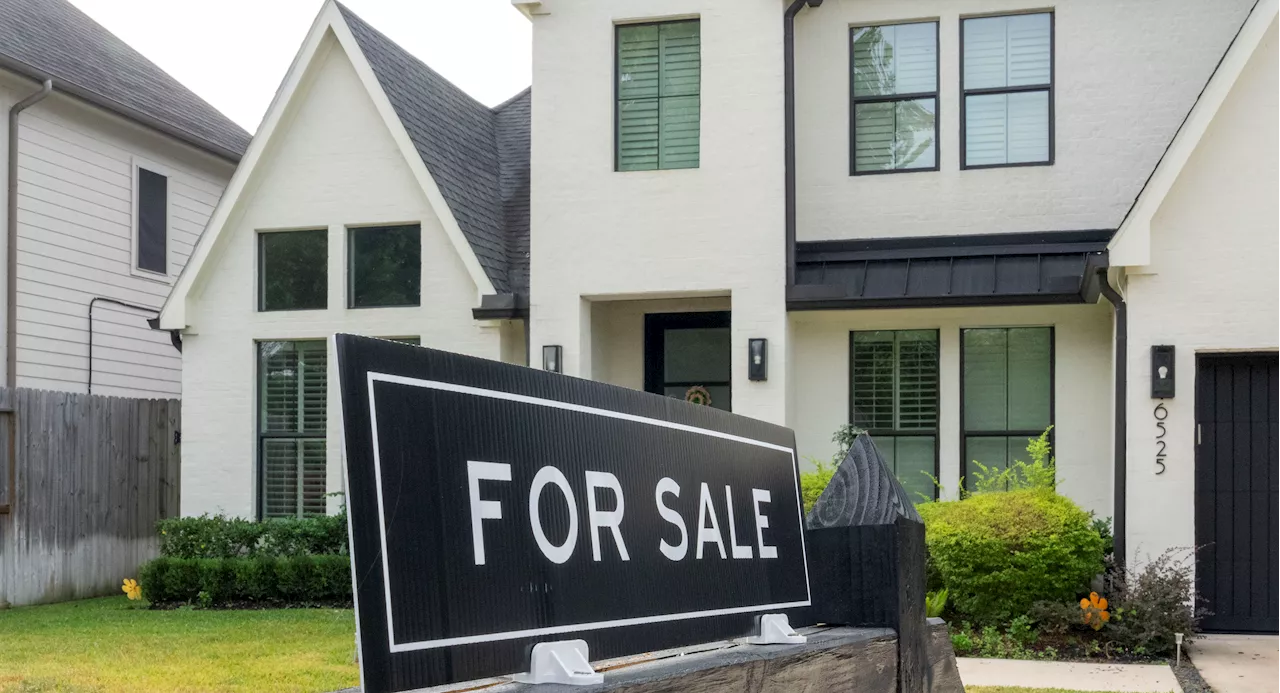
The average long-term mortgage rate in the United States has fallen below 6% for the first time since late 2022, according to mortgage buyer Freddie Mac. This decline could stimulate a more active home-buying season as prospective buyers may find renewed motivation to enter the market. The latest figures show the rate now stands at 5.89%, marking a significant drop following three consecutive weeks of decline.
This shift is particularly timely as the spring home-buying season typically gains momentum in March. Lisa Sturtevant, chief economist at Bright MLS, emphasized that if rates remain below 6%, the market could see increased activity. Yet, challenges persist. High home prices and a limited inventory continue to complicate the landscape for potential homeowners.
The current mortgage rate environment reflects broader economic trends influenced by the Federal Reserve’s monetary policy and the bond market’s expectations. Lower rates can enhance purchasing power for buyers, while higher rates can limit affordability, making the navigation of this market quite complex.
Despite the positive trajectory in mortgage rates, the housing market remains subdued. Sales of existing homes in the previous year hit 30-year lows, and the recent decline in home sales marked the largest monthly drop in nearly four years. This is leading to the slowest annualized sales pace seen in over two years. The relief provided by lower mortgage rates, while beneficial, may not be sufficient to fully revive the market.
Many existing homeowners are reluctant to sell, having secured lower rates earlier in the decade. Data from Realtor.com indicates that nearly 69% of U.S. homes with mortgages are locked in at fixed rates of 5% or lower, with over half enjoying rates at or below 4%. This trend is contributing to the ongoing inventory shortage, making it difficult for new buyers to find suitable homes.
The situation is exemplified by the experience of Nicole Phillip, a first-time millennial homeowner who recently purchased a townhome in Central Florida. Phillip highlighted the challenges faced by new buyers in this turbulent market, noting the difficulties in finding homes at reasonable prices despite the lower mortgage rates.
While the 30-year fixed-rate mortgage has seen a decrease, other products are showing varied trends. For example, borrowing costs on 15-year fixed-rate mortgages have increased, with the average rate rising to 5.44% from 5.35% the previous week. The Mortgage Bankers Association reported a 0.4% increase in mortgage applications, largely driven by homeowners seeking to refinance. This refinancing surge, which represented 58.6% of all applications, indicates that many are eager to capitalize on the lower rates.
The demand for adjustable-rate mortgages (ARMs), which typically offer lower initial interest rates, is also growing, accounting for 8.2% of all mortgage applications. This dynamic highlights the complexities of the U.S. housing market as both prospective buyers and homeowners navigate fluctuating rates and a challenging economic landscape.
As the spring home-buying season approaches, the interplay of mortgage rates, home prices, and inventory levels will be crucial in determining the market’s trajectory. The hope is that the recent dip in rates will lead to greater activity, but the underlying challenges will need to be addressed for a more robust recovery.
















