








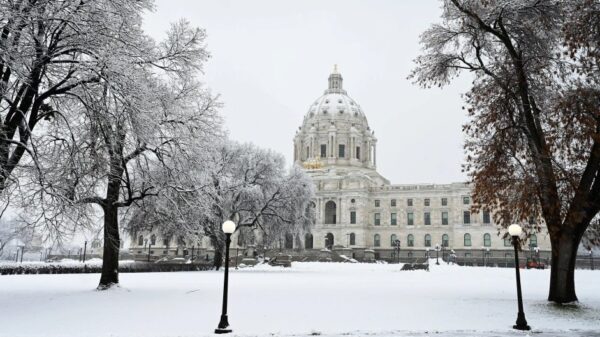






















Minnesota has reported a projected budget surplus of nearly $2.5 billion for the current two-year budget cycle, according to the latest forecast from the Minnesota Department of Management and Budget (MMB). However, state officials anticipate a significant budget shortfall of almost $3 billion for the subsequent two years.
The updated budget forecast, released on November 30, reflects a modest improvement over March’s estimates. At that time, officials projected a surplus of $456 million for the 2026-2027 biennium, alongside a staggering $6 billion shortfall for 2028-2029. This recent uptick is attributed to “better-than-expected fiscal year close and higher near-term revenue collections,” as noted in MMB’s summary. Nonetheless, increased spending estimates have partially offset these gains.
Future Challenges for Minnesota’s Economy
Despite the current surplus, MMB warns of ongoing structural budget challenges. Higher health care costs and sluggish economic growth pose significant threats to the state’s financial health later in the decade. The agency emphasizes that while the budget outlook remains stable for now, long-term fiscal sustainability is at risk.
The state’s general fund reserves stand strong at their statutory target of $3.8 billion. This is a notable improvement from earlier forecasts. In March, officials expressed concerns about “significant near-term economic and fiscal uncertainty” influenced by tariffs and other policies enacted during the Trump administration. The potential impact of future federal program cuts on Minnesota’s budget remains uncertain.
Minnesota’s fiscal landscape has shifted dramatically since the state enjoyed a projected surplus of nearly $18 billion over two years ago. During that period, the Democratic-Farmer-Labor (DFL) controlled government passed a budget exceeding $70 billion, which represented a spending increase of nearly 40%, largely driven by one-time expenditures.
In June, the state legislature, narrowly divided between the DFL and Republicans, passed a $66 billion budget for the next two years, which is close to $5 billion less than the previous budget. One of the areas facing reductions is special education transportation aid, as state leaders have indicated the need to curb spending to address future shortfalls.
Looking Ahead to Legislative Decisions
MMB is expected to provide further details during a press conference scheduled for noon, where Gov. Tim Walz and legislative leaders from both parties will discuss the updated budget figures. The forecast serves as a critical tool for Minnesota lawmakers as they prepare for the upcoming legislative session in early 2024.
An updated budget forecast will be released in early March 2024, coinciding with the commencement of budget discussions as the legislature begins planning for future expenditures. Although a two-year budget will not be required in 2026, the groundwork laid in the upcoming sessions will shape the state’s fiscal policy moving forward.
In reviewing past state budgets, the recent fiscal trends are evident. Here’s a summary of Minnesota’s two-year budgets over recent years:
– 2023: $72 billion
– 2021: $52 billion
– 2019: $48 billion
– 2017: $46 billion
– 2015: $41.5 billion
– 2013: $38 billion
– 2011: $35.7 billion
This evolving budget narrative highlights the delicate balance Minnesota must maintain between current fiscal achievements and the looming challenges ahead. Further updates will follow as the situation develops.