









































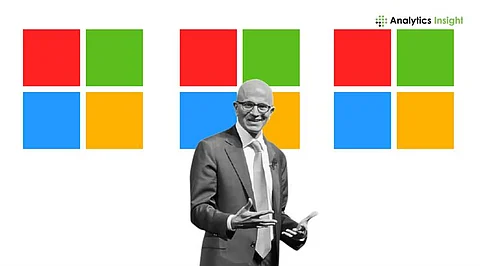
In a recent blog post, Microsoft CEO Satya Nadella urged a shift in how society views artificial intelligence, particularly in light of the term “slop” being named the word of the year by Merriam-Webster. This label has been commonly used to describe subpar AI-generated content, yet Nadella insists that AI should not be dismissed in such a manner. Instead, he advocates for recognizing AI as a valuable tool that can enhance human productivity and creativity.
AI as a Support Tool in the Workplace
Nadella emphasized that the ongoing debate in the tech industry regarding the quality of AI content overlooks a crucial point: AI’s role should be to augment human capabilities rather than replace them. He likened AI to “bicycles for the mind,” suggesting that it can help individuals think more efficiently and work smarter. Despite concerns that AI technologies might lead to job displacement, Nadella believes the focus should be on collaboration between humans and machines.
The fear surrounding job losses has been exacerbated by some tech leaders, including Dario Amodei, CEO of Anthropic, who recently warned that the adoption of AI could potentially eliminate entry-level positions in various sectors within the next few years. This has raised significant concerns about the future of the workforce.
Research Insights on AI and Employment
Current research presents a more nuanced view of AI’s impact on jobs. A study conducted by the Massachusetts Institute of Technology (MIT) under the title Project Iceberg found that AI can automate approximately 11.7% of paid work tasks. This statistic does not imply widespread job loss but rather highlights how AI can assist with specific job functions, such as aiding nurses with administrative tasks or helping developers with coding. Nevertheless, certain professions, including graphic design and marketing writing, are experiencing heightened competition from AI tools.
While many skilled professionals report improved performance when integrating AI into their workflows, the focus within these sectors has shifted towards issues of authenticity and copyright, raising questions about the implications of AI-generated content.
Looking to the future, a report by Vanguard indicates that jobs most susceptible to AI automation are growing at a pace faster than those less exposed to these technologies. Wages in these roles are also on the rise, as employees who upskill in AI-related areas often command higher salaries.
Microsoft’s actions add another layer of complexity to the narrative. In 2025, the company laid off over 15,000 workers despite reporting strong profits. While Nadella acknowledged the importance of AI transformation for the company, he did not directly link these layoffs to the adoption of AI. Experts suggest that broader business strategies and shifts in investment played a more significant role in these job cuts.
Throughout 2025, the tech industry witnessed nearly 55,000 layoffs in the United States, with companies such as Amazon, Salesforce, and Microsoft contributing to the trend. Analysts assert that these reductions reflect strategic business decisions rather than a wholesale replacement of human workers by AI.
Nadella’s message is clear: it is time to move beyond fears and negative labels associated with AI. He envisions 2026 as a pivotal year when AI will evolve into a trusted partner in the workplace, emphasizing that the future lies in using technology to enhance human skillsets rather than diminish them. This perspective invites a re-examination of how AI can be harnessed to empower rather than threaten the workforce.
















