
































As the market anticipates the upcoming Federal Reserve meeting, expectations are set high, with analysts pricing in a 95% probability that the Fed will maintain its current policy stance. Investors are keenly aware that this decision will shape financial conditions moving into the new year.
Peter Tchir, an analyst at Academy Securities, highlights the Fed’s evolving role under Chairman Jerome Powell, suggesting he is approaching a “lame duck” status as the year comes to a close. Tchir emphasizes that subsequent communications from the Fed may not significantly influence market sentiment.
Market Overview and Predictions
Tchir suggests that the market underestimates the potential coordination between the Treasury, the Fed, and the administration. He anticipates that innovative tools and strategies will emerge to address the Fed’s objectives, which he interprets as achieving a goal of 3% growth, 3% front-end yields, and a 10-year bond yield around 3%.
While Tchir’s report adopts a light-hearted tone at times, he offers serious insights into the bond market outlook. He predicts that Fed Funds rates will remain at 3% or below by the June 2026 meeting. He foresees a steepening yield curve but expects the 10-year bond yield to stabilize below 4%, estimating a range of 3.6% to 3.8% as reasonable.
Geopolitical Considerations and Economic Impacts
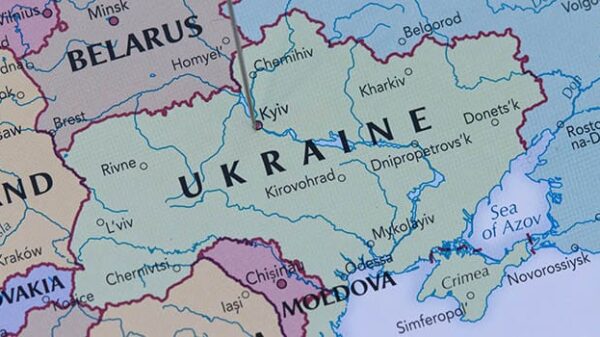
On the geopolitical front, Tchir discusses the ongoing conflict between Ukraine and Russia, noting the challenges in achieving a peace agreement. He asserts that the disparity between the terms agreed upon by Ukraine and those accepted by Russia complicates the prospect of a lasting resolution. The potential for Russia to gain ground in the conflict may influence the nature of any future agreements.
In relation to U.S. foreign policy, Tchir points to the USS Ford as a key asset in ongoing operations, particularly concerning Venezuela. He outlines three primary motivations for U.S. engagement in the region: sending a message to adversaries, addressing drug trafficking, and securing access to Venezuela’s oil reserves.
China’s position remains ambiguous as it has not publicly engaged in significant pacts with Venezuela similar to its relationship with Russia. Tchir questions whether China would relinquish control of Venezuelan oil production to the U.S. if such a transition were proposed.
In summary, Tchir emphasizes that the market faces numerous challenges, including fluctuating valuations, the impact of artificial intelligence on spending, and ongoing supply chain risks. He believes that while real fear may not resurface until later in the year or early next year, the current easing of financial conditions suggests a cautiously optimistic outlook.
As the week unfolds, Tchir remains focused on the Federal Reserve’s decision, recognizing that while it may not align with his personal approach, it is anticipated to reflect the prevailing market sentiment.