














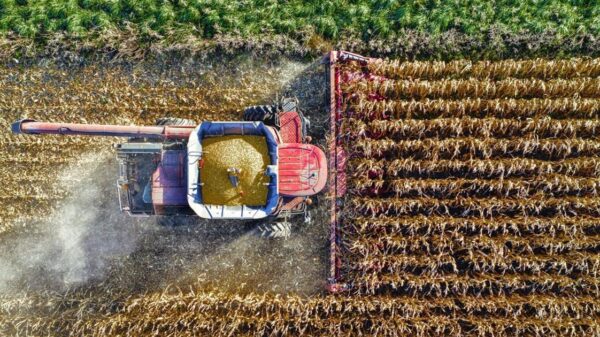






















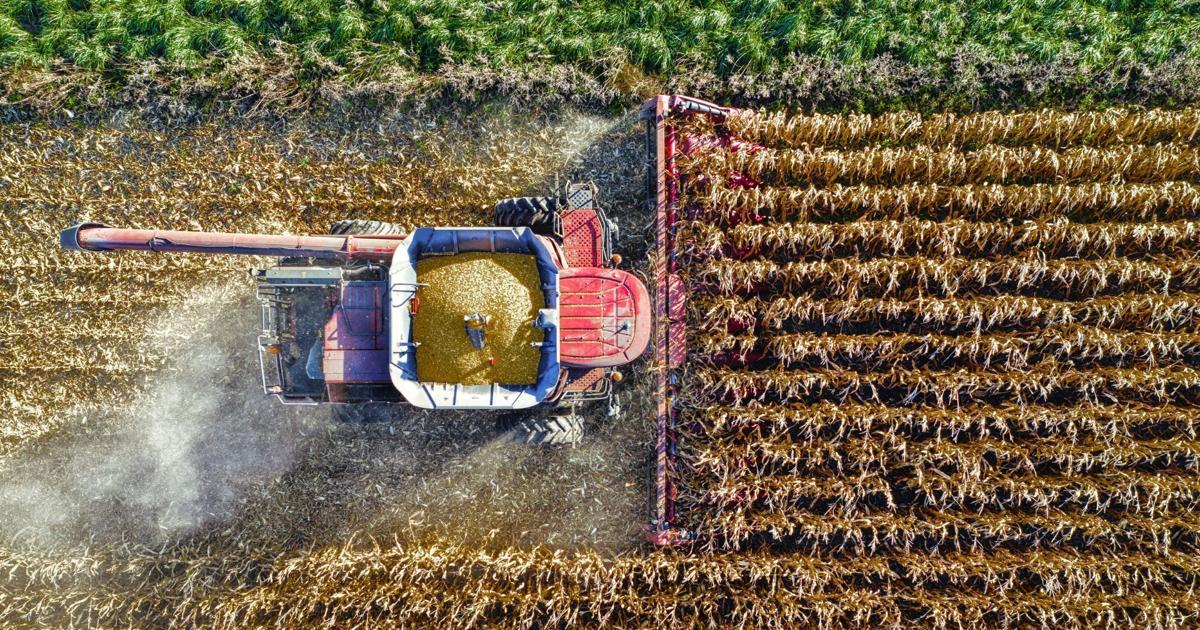
Illinois farmers have wrapped up the 2023 harvest, achieving record-breaking crop yields despite facing significant financial challenges. While many farms have seen their storage facilities reaching full capacity, the economic landscape remains complicated, with some farmers reporting losses even after a bountiful season.
According to the United States Department of Agriculture (USDA), crop yields for corn and soybeans have surged this year, with averages reaching approximately 200 bushels per acre for corn and 60 bushels per acre for soybeans. These figures are unprecedented for the state, which is a major player in the global agricultural market. With such high yields, it is puzzling that some farmers are struggling financially.
The issue stems from several factors that have put pressure on profit margins. First, the costs of production have increased significantly. Farmers have reported steep rises in prices for seeds, fertilizers, and fuel. For instance, fertilizer prices alone have surged by over 30% compared to previous years, cutting deeply into profits. Even with abundant harvests, the cost of bringing crops to market has created a challenging environment.
Additionally, the market prices for corn and soybeans have not kept pace with production costs. As of late October 2023, prices per bushel hovered around $4.70 for corn and $12.30 for soybeans, figures that are insufficient to cover the rising expenses. This disparity has led to a situation where record yields do not translate into expected profits.
Storage Capacity Strains and Market Dynamics
Storage facilities across Illinois are experiencing unprecedented demands. With grain bins filled to capacity, farmers are facing logistical challenges in distributing their products. The high volume of harvested crops has led to concerns regarding spoilage and the ability to sell all of the harvested grain in a timely manner.
Farmers have expressed that while they are grateful for the large harvest, the current market dynamics are frustrating. Many have pointed out that the agricultural sector is often at the mercy of global market fluctuations, which can be unpredictable. Events such as international trade negotiations and climate conditions in key growing regions can drastically influence market prices.
Some farmers have turned to local cooperatives and agro-businesses for assistance in managing this surplus. These organizations often provide support in storage, marketing, and distribution, helping farmers navigate a tricky market. Yet, the fundamental issue of rising costs and stagnant prices remains a persistent challenge that needs addressing.
The Way Forward for Illinois Farmers
As Illinois farmers look ahead, several strategies are being discussed to mitigate financial risks. Diversifying crops and incorporating sustainable farming practices have emerged as potential solutions. By investing in alternative crops and reducing dependency on traditional commodities, farmers may better shield themselves from volatile market conditions.
Moreover, technology plays a pivotal role in enhancing efficiency and reducing costs. Precision agriculture, which employs data analytics and advanced technology to optimize farming practices, is gaining traction among Illinois farmers. This approach aims to maximize yields while minimizing waste and resource use.
The situation illustrates a broader trend within the agricultural industry, where even successful harvests are not always synonymous with financial stability. The challenges faced by Illinois farmers underscore the complexities of modern farming, highlighting the need for continued innovation and support from both local and federal government entities.
In summary, while the 2023 harvest has brought record yields to Illinois, it has also revealed significant economic vulnerabilities. Farmers are calling for a re-evaluation of market structures and support systems that could help them achieve not just plentiful harvests, but also sustainable profits.