









































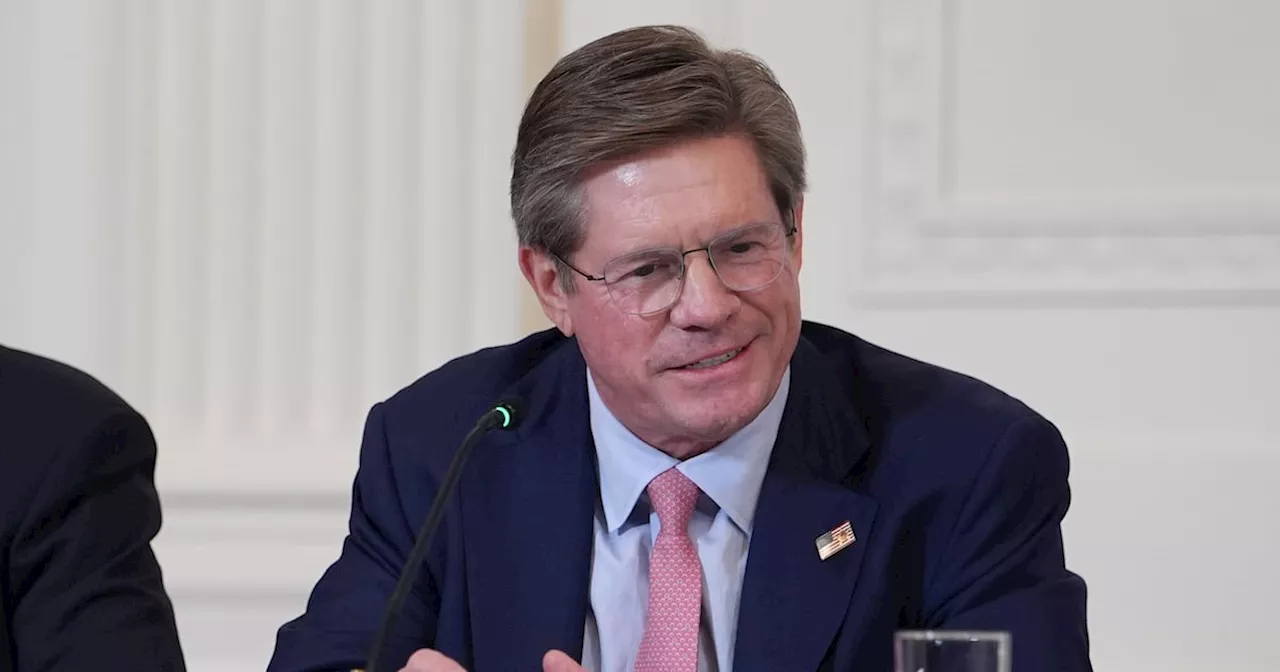
Alaska’s oil industry is shifting its gaze towards Venezuela as two prominent executives announced plans to invest in the country following the ousting of Nicolás Maduro. During a meeting on January 9, 2026, with U.S. President Donald Trump and other oil executives, both Jeff Hildebrand, chairman of Hilcorp Energy, and Bill Armstrong, CEO of Armstrong Oil and Gas, expressed their readiness to explore opportunities in Venezuela’s oil sector.
Hildebrand emphasized Hilcorp’s commitment to rebuilding Venezuela’s oil infrastructure, stating, “Hilcorp is fully committed and ready to go.” This meeting occurred shortly after a U.S. military operation led to Maduro’s removal, igniting discussions about the potential revitalization of Venezuela’s struggling petroleum industry.
Despite this optimism, the prospect of new drilling opportunities raises questions about competition for investment in Alaska, where Hilcorp currently operates the largest oil deposit in the state, Prudhoe Bay. The company has significantly increased its investments in the region after acquiring its stake from BP. Hilcorp also plays a crucial role in supplying natural gas for heating to urban Alaskans.
Armstrong, whose company made notable new oil discoveries in Alaska, also expressed enthusiasm for entering the Venezuelan market. He referred to the country as “prime real estate” for oil investment and noted that his firm controls approximately 8 million acres adjacent to Venezuela. Armstrong’s remarks suggest that there is considerable interest among smaller, independent oil companies, contrasting with the caution expressed by larger firms like ExxonMobil.
During the same meeting, Darren Woods, CEO of ExxonMobil, described Venezuela as currently “uninvestable,” citing the company’s past experiences with asset seizures in the country. Woods remarked, “You can imagine, to re-enter a third time would require some pretty significant changes from what we’ve historically seen.”
Ashley Reed, a lobbyist for Armstrong’s company, acknowledged the challenges still facing investment in Venezuela, including political instability and security concerns. He warned that Alaskan oil companies may face new competition if Hildebrand and Armstrong proceed with their plans. Reed stated, “If Hildebrand takes his money down there, and Bill, we don’t have much left, except ConocoPhillips.”
Interestingly, Reed pointed out that some challenges faced by the Venezuelan oil sector mirror those in Alaska, including erratic fiscal policies and governance issues. He noted, “Enormous, resource-rich areas. Erratic fiscal policy. Government seemingly unwilling to initiate meaningful reforms.”
This potential investment by Hilcorp and Armstrong represents a significant shift in strategy for Alaska’s oil executives, who could be drawn to Venezuela’s resources despite the risks involved. As the situation develops, both the Alaskan and Venezuelan oil markets could see substantial changes in the coming years.
In summary, the interests of Hilcorp and Armstrong in Venezuela highlight a noteworthy pivot among key players in Alaska’s oil industry as they seek new opportunities in a region marked by both promise and uncertainty.
















