









































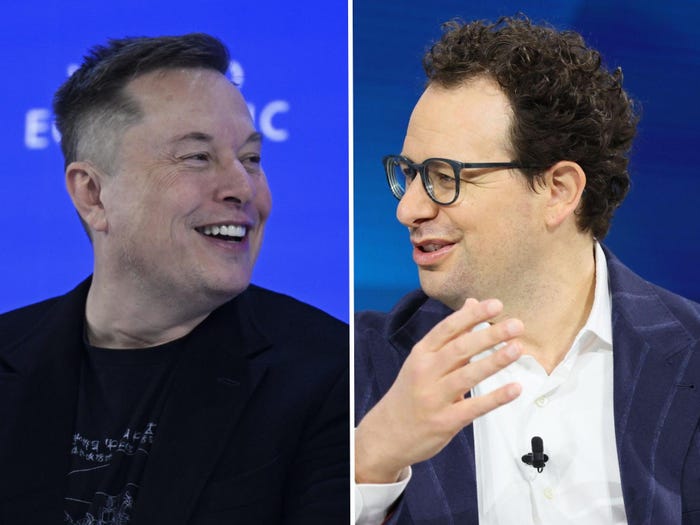
Elon Musk has proposed that the concept of saving for retirement could become “irrelevant” within the next decade due to advancements in artificial intelligence (AI) that promise unprecedented resource abundance. In contrast, Dario Amodei, the CEO of Anthropic, has cautioned that achieving this optimistic vision will present significant challenges.
In an essay published recently, Amodei emphasized that while AI has the potential to enhance the quality of life for everyone, realizing this future will involve navigating a complex transition. He articulated concerns about the impact of AI on employment, warning that the displacement of human jobs could lead to a substantial “short-term shock,” affecting economic stability and social equity.
Amodei noted that current trends suggest it will not be long before AI outperforms humans in nearly every task. He stressed that the economic growth driven by AI could lead to an unprecedented concentration of wealth, with a small fraction of the population capturing the majority of profits. This scenario raises the specter of a significant underclass of unemployed or low-wage workers, creating what he described as “grave problems” that must be addressed collectively by AI companies, governments, and philanthropy.
In light of this potential upheaval, Amodei and his co-founders at Anthropic have committed to donating 80% of their wealth to charitable causes. The company also plans to match individual donations from its employees, which could amount to billions of dollars based on its current valuation.
Envisioning a Transformative Economic Landscape
Amodei shares a vision similar to Musk’s in terms of the future economic landscape shaped by AI. He posits that AI will eventually become “so broadly effective and so cheap” that the existing economic system may no longer be viable. This could pave the way for alternative models, such as a universal basic income or an economy dominated by AI systems that distribute vast resources to the population.
Despite this optimistic outlook, Amodei cautions against the risks of “exploitative or dystopian directions.” He believes that securing a favorable outcome will require concerted efforts and proactive planning from all sectors of society.
Recent insights from various AI and personal finance experts highlight a cautious approach to Musk’s assertions. In discussions with Business Insider, these professionals echoed Amodei’s concerns, advising individuals to continue saving for retirement as a safeguard against the uncertainties of the future. They emphasized that even if Musk’s vision becomes reality, ensuring equitable distribution of AI-generated wealth will necessitate meticulous coordination and planning.
As the conversation surrounding AI and its implications for society evolves, the dichotomy between the hopeful prospects envisioned by Musk and the cautionary perspectives of leaders like Amodei underscores the complexity of navigating this rapidly changing landscape. The future may hold abundant resources, but achieving a just and equitable society will demand significant collective effort and foresight.
















