









































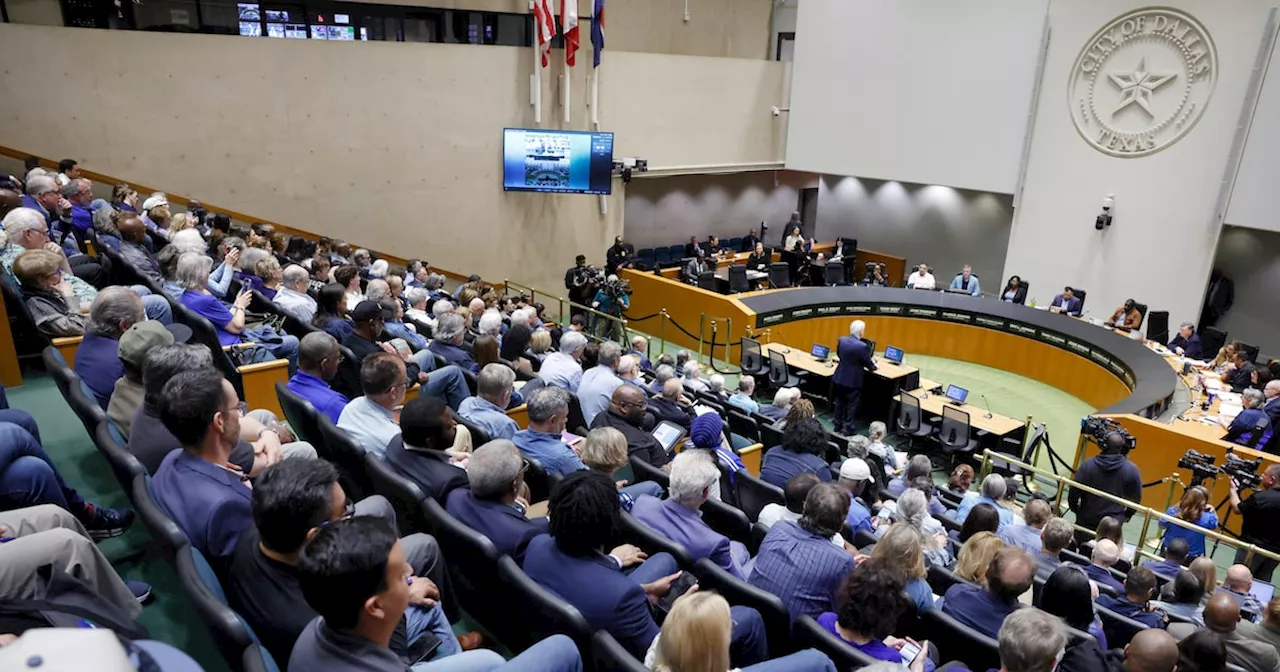
A significant debate emerged during the Economic Development Committee meeting on March 2, 2026, concerning the future of Dallas City Hall. Council members and local residents expressed their apprehensions regarding the potential relocation of the building, the involvement of the Dallas Mavericks, and the absence of a comprehensive financial strategy. This meeting represented the first chance for the public to weigh in on an assessment report about the iconic structure, designed by renowned architect I.M. Pei.
The discussion primarily focused on whether to relocate or redevelop the 48-year-old building. Several council members voiced skepticism about what they perceived as a hasty exploration of relocation options, particularly given the lack of a thorough financial analysis. The Dallas Mavericks’ potential role in the redevelopment process added another layer of complexity to the proceedings. Although city officials maintained that no formal agreement was established, the prospect of the team influencing the outcome loomed large.
Over two hundred residents attended the meeting, many adorned with “Save Dallas City Hall” pins, urging council members to take a more measured approach. The dominant sentiment among attendees was a strong opposition to any plans for relocation. Many emphasized the importance of preserving the historic building and raised concerns that the discussions were advancing without sufficient public understanding.
Cara Mendelsohn, a vocal advocate for transparent decision-making, wore a Dallas Mavericks jersey along with her “Save Dallas City Hall” pin. She criticized the proposed vote scheduled for Wednesday, insisting that genuine public input was necessary before any decisions were finalized. Mendelsohn also suggested an alternative plan which involved relocating the Dallas Mavericks to Valley View, framing it as a solution that would allow the team to remain within the city limits while protecting the historic site.
Other council members, including Laura Cadena and Paula Blackmon, contributed to the dialogue by raising important questions about the decision-making process. Blackmon specifically pointed out the absence of a clear financial plan, expressing concerns that premature directives could inadvertently limit the options available to the council. She highlighted the need for straightforward answers from city staff, questioning how information was presented to the committee.
The findings from the Economic Development Committee have intensified the ongoing debate. A clear division has emerged between downtown business leaders and developers, who see the site as an opportunity for redevelopment, and preservationists and architects who argue for the protection of the I.M. Pei-designed landmark. City staff assured attendees that they would adhere to the council’s direction while continuing to explore all possible options, underscoring the complexities involved in the decision-making process.
This meeting provided a vital platform for residents to express their views, for council members to examine the details of proposed plans, and for various stakeholders to articulate their visions for the future of Dallas City Hall. The lack of consensus and the ongoing discussions regarding the city’s relationship with the Dallas Mavericks further highlighted the necessity for a thoughtful and inclusive decision-making process.
As the debate continues, the future of Dallas City Hall remains uncertain, with both preservationists and proponents of redevelopment advocating passionately for their respective positions. The outcome will not only determine the fate of this iconic building but also shape the broader narrative of urban development in Dallas.
















