









































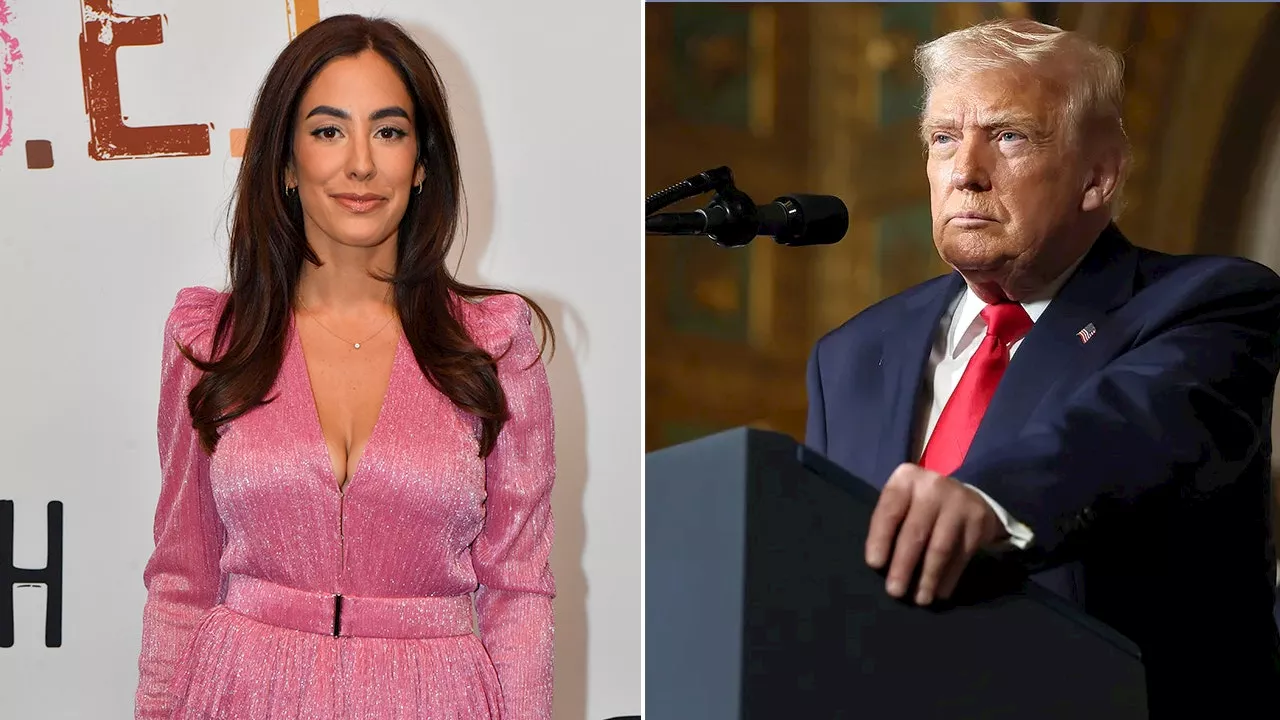
Conservative influencer Arynne Wexler has publicly criticized President Donald Trump’s proposal to cap credit card interest rates at 10%, describing it as a move that aligns with socialist policies and cautioning against its potential repercussions for credit access. Wexler, a graduate of Wharton Business School, shared her concerns with her substantial Instagram following of over 386,000 users, where her video addressing the issue garnered more than 54,000 views within a short time.
Wexler’s Concerns Over Lending Practices
In her post, Wexler expressed skepticism about the implications of the proposed cap, arguing that it misrepresents how credit lending functions. “This 10% interest cap is being sold to you as if it will mean that people who currently pay high rates will simply have their rates lowered to 10%. And that is just not how this works,” she stated. Wexler highlighted the risks associated with making lending less profitable, asserting that if lenders are unable to charge appropriate interest rates, the availability of credit could diminish significantly. “Interest rates on credit cards aren’t some random punishment; it’s how lenders price risk, because lending money is risky,” she added.
Trump proposed this cap during a press briefing, suggesting it would support Americans in managing their debt. “I want a cap on credit card interest rates because some of them are almost 30%,” he remarked, indicating that many consumers are unaware of the high rates they are paying. He characterized the current lending practices as abusive, vowing to protect consumers from exorbitant charges.
Political Reactions and Implications
Wexler’s criticism extends to the political landscape surrounding the proposal. She noted that support from figures like Rep. Alexandria Ocasio-Cortez (D-N.Y.) and Sen. Bernie Sanders (I-Vt.) raises alarm bells for her. “When socialists like Bernie Sanders and AOC are in favor of an economic issue like this, that should make you pause,” she remarked, expressing surprise at Trump’s alignment with such policies.
Additionally, Wexler warned that if implemented, the cap could lead to a significant decrease in credit availability, which might push consumers towards predatory lenders. “By the midterms, Americans won’t be spending because credit is going to be totally dried up if this actually happens,” she stated. While she acknowledged that there is a discussion to be had about the necessity of credit cards and their role in overspending, she argued that the current proposal does not address these concerns effectively.
House Speaker Mike Johnson (R-La.) also weighed in on the proposal, cautioning against its unilateral implementation. “The president is the ideas guy, and he’s laser-focused on the same thing that we are. And that is reducing the cost of living,” Johnson said. Nonetheless, he raised concerns about potential unintended consequences, suggesting that lenders might simply stop offering credit altogether if profits are curtailed. “One of the things that the president probably had not thought through is the negative secondary effect; they would just stop lending money,” he added.
As the debate continues, Wexler’s critiques highlight the complex interplay between economic policy and consumer access to credit, sparking a larger discussion on the ramifications of capping interest rates in the financial landscape.
















